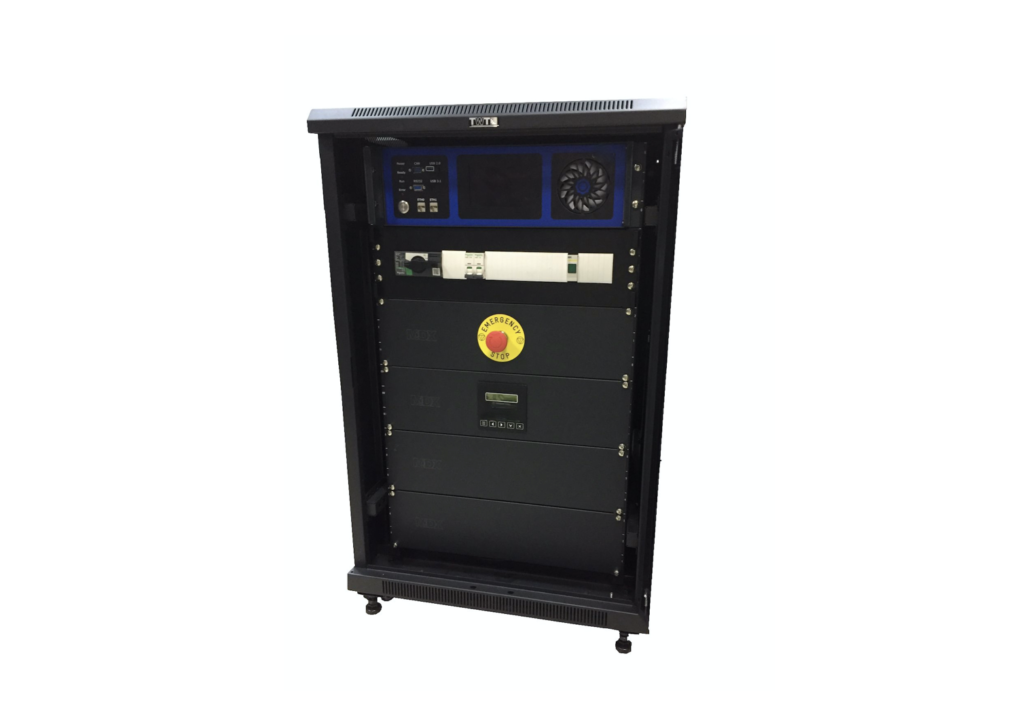
Simulation controller is designed for building HIL systems. HIL testing helps verify the embedded software of electronic control units for complex objects using simulation methods. This is essential for reducing testing time and addressing complex scenarios that are difficult to replicate in laboratory or field tests.
With many years of experience in developing software for HIL systems and implementing it on third-party hardware, we have gradually established the necessary requirements that we have embodied in our own controller. By investing a significant portion of our expertise into developing simulation modules, we are able to create both industry-specific simulators (e.g., for the automotive or aviation sectors) and custom systems with heightened requirements as specified by our clients
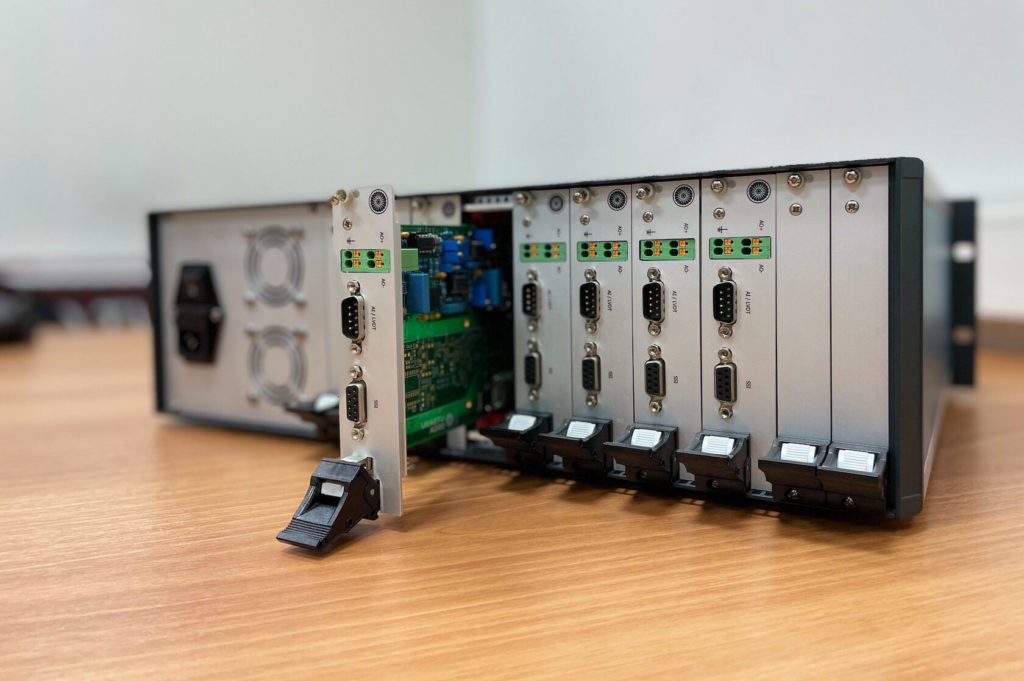
The core of the controller is an industrial reconfigurable system that includes the following components: a real-time controller, a field-programmable gate array (FPGA), and a switching board for connecting up to ten modules. Each module is directly connected to the FPGA, which minimizes control delay associated with system response. The entire controller operation algorithm resides in the control module. Control modules from Kepstronic and third-party modules with available FPGA pins (such as PXI series R modules) can serve as control modules. Third-party modules are connected via adapter boards.
Simulation modules
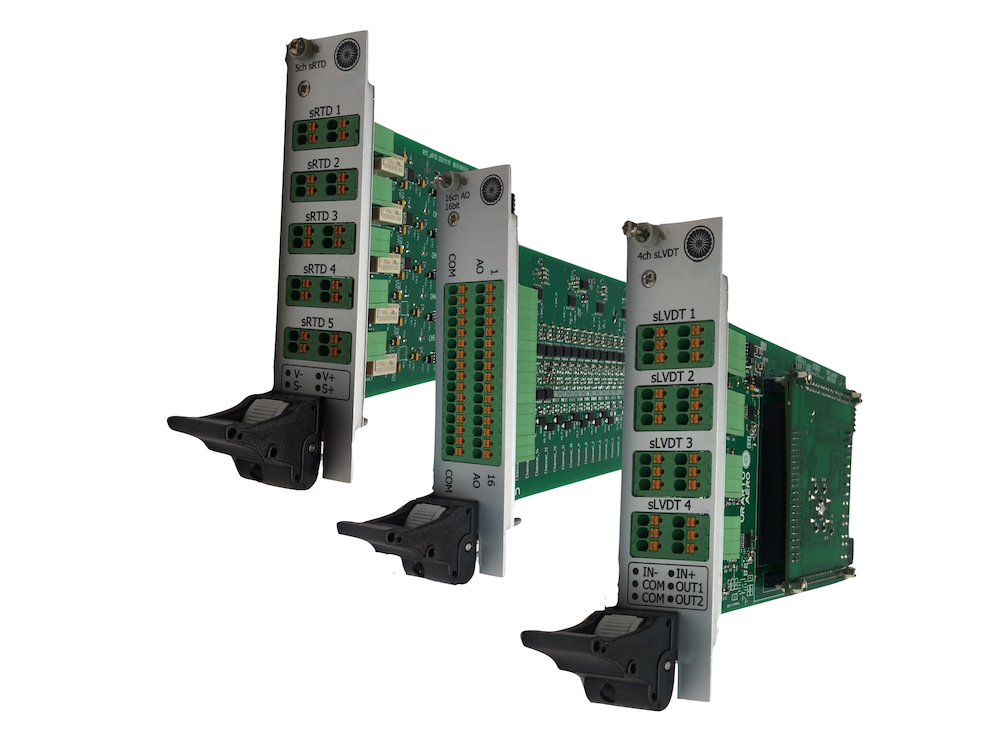
We have the following list of modules:
RTD simulation;
LVDT simulation;
thermocouple simulation;
ARINC-429;
RS-485;
analog input/output;
digital input/output.
Features and
Benefits
Real-time object model testing
A standardized hardware platform that can be used across various industries
Proprietary modules and interface panels adaptable to specific tasks
HIL-oriented software that offers a customizable approach to meet ever-changing needs
Seamless integration of third-party equipment with the ability to customize both software and hardware according to unique testing requirements